

I think we all agree that today cybersecurity defines the ability to innovate and maintain trust in the digital environment. The Global Cybersecurity Outlook 2026 by World Economic Forum was recently launched and identified Artificial Intelligence (AI) as the primary driver for managing the growing number of vulnerabilities, including those that arise from AI itself when it is not managed responsibly.
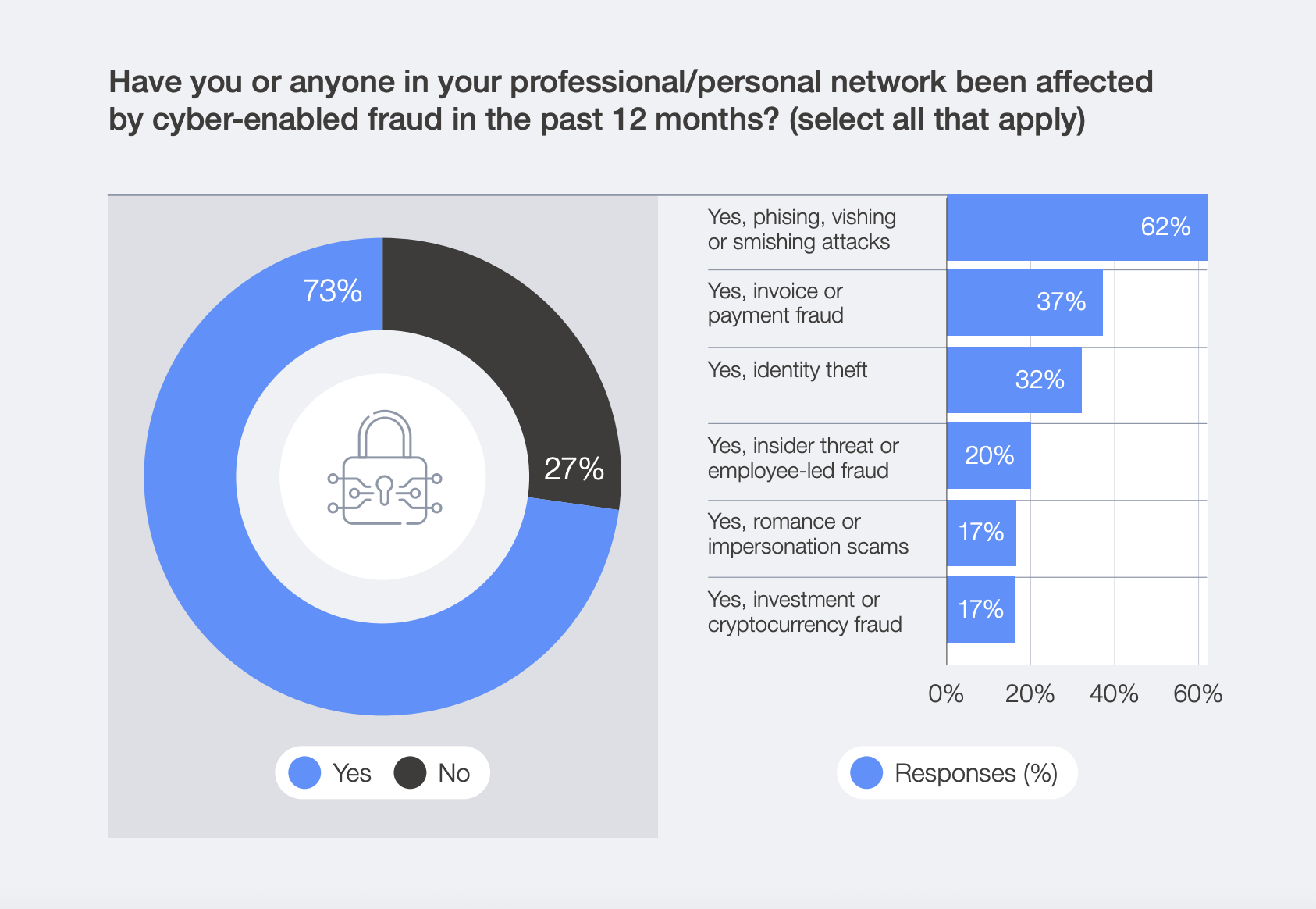
The report has many highlights that help clarify the landscape we have ahead of us but I find particularly interesting the following chart that highlights digital fraud as a widespread experience that directly or indirectly affects the majority of professionals and companies within the financial sector. These are no longer just highly sophisticated attacks, but threats that have become part of everyday reality.
Source: Global Cybersecurity Outlook 2026
Cyberattacks like phishing, for example, aren’t new but they show up stronger. Behind this tactic come payment fraud, identity theft, and even insider threats. Risk no longer comes solely from external actors, nor is it limited to a single type of attack. Today, it is diverse and evolves at the same pace as the technology we work with.
It is clear that financial services are in a vulnerable position, and that security is not just a technical requirement, but a fundamental foundation for the business and the trust of our customers. Embedded finance platforms integrate multiple stakeholders: banks, fintechs, distributors, technology providers and end customers. Each integration point expands the attack surface so, as the report highlights, AI is simultaneously strengthening defense and accelerating threats. In this context, security must be systemic, not reactive.
Security by design in embedded finance
At Toqio, we operate in a space where finance is embedded into broader digital ecosystems so our approach is rooted in security by design: Risk modelling, data protection controls, access governance and third-party assessments are incorporated at the product design stage. Rather than adding security layers at the end of development, we build resilient foundations that anticipate fraud scenarios, supply chain exposure and AI-driven risks from the outset.
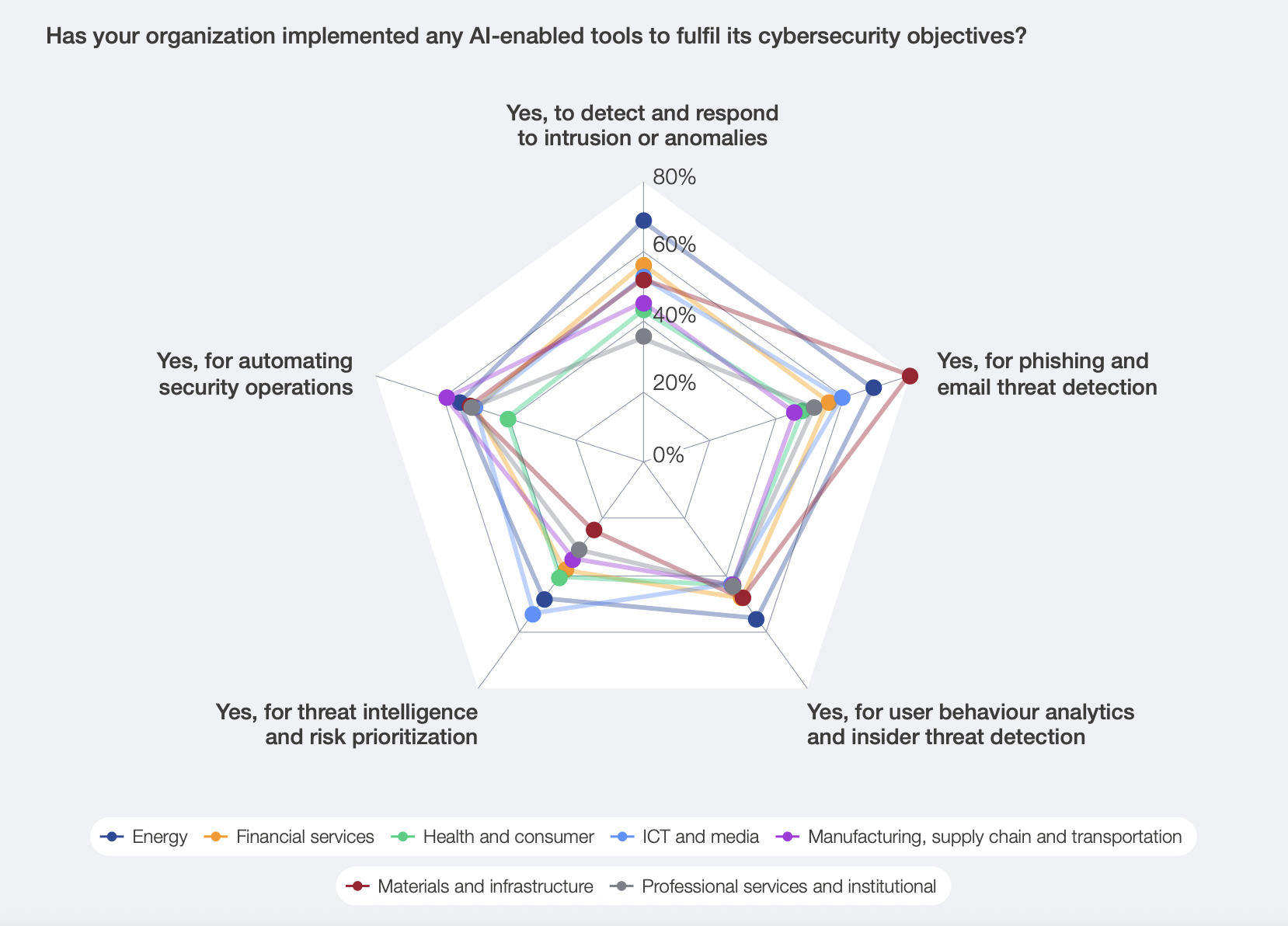
Our digital market niche has not remained idle. More and more organizations are working to incorporate AI tools to strengthen their cybersecurity with the goal of anticipating threats, responding faster, and automating critical processes. And this is increasingly important because if we want to work as a financial ecosystem, the weaknesses of a few can affect us all.
Source: Global Cybersecurity Outlook 2026
The digital supply chain is a key factor driving fintech growth and becoming increasingly decisive. At Toqio we see that no organization operates in isolation and all of us function within complex ecosystems where fintechs, banks, and technology providers are deeply connected. In this environment, a vulnerability in a third party can quickly turn into a shared risk, reminding us that risk management can no longer be confined to a company’s internal boundaries.
Managing ecosystem and partner risk
Technologically advanced companies born in digital environments like Toqio are leading this adoption, recognizing that AI is not only part of the problem but also an essential tool to anticipate fraud and reduce its impact. At Toqio, ecosystem risk management is treated as a strategic function and that’s why our model includes:
- Security involvement in procurement processes, ensuring that vendor selection incorporates cybersecurity maturity criteria from the start.
- Continuous assessment of partner security posture, not just one-time onboarding checks.
- Clear segregation of roles, access and data boundaries across ecosystem participants.
- Operational monitoring and incident coordination protocols across stakeholders.
Because embedded finance depends on trust between multiple actors, we align our resilience strategy with partners to reduce concentration risk and visibility gaps, two of the main supply chain risks identified in the Global Cybersecurity Outlook 2026.
AI-powered risk detection with human judgement
And when we address how we should use AI, we end up more convinced of one thing: We can’t rely solely on automation. As the report highlights, over-reliance on ungoverned AI can create blind spots. Our model integrates AI capabilities within a governance framework that prioritizes transparency, validation and continuous reassessment. Organizations that embed security into leadership, governance and ecosystem engagement demonstrate significantly higher resilience levels.
For us, resilience is not about eliminating risk, that is impossible. It is about designing systems that can anticipate, absorb and recover from disruption. In a financial ecosystem increasingly powered by AI, collaboration and preparedness will define the difference between vulnerability and competitive advantage.
By Enrique Carcamo Wucherpfennig, VP of Customer & Partner Operations at Toqio